May 10, 2026 • Declan Marsh • 9 min reading time • Prices verified June 11, 2026
Sony a7 IV vs. a7 V: The Upgrade Math for Full-Frame Shooters Who Already Own Glass
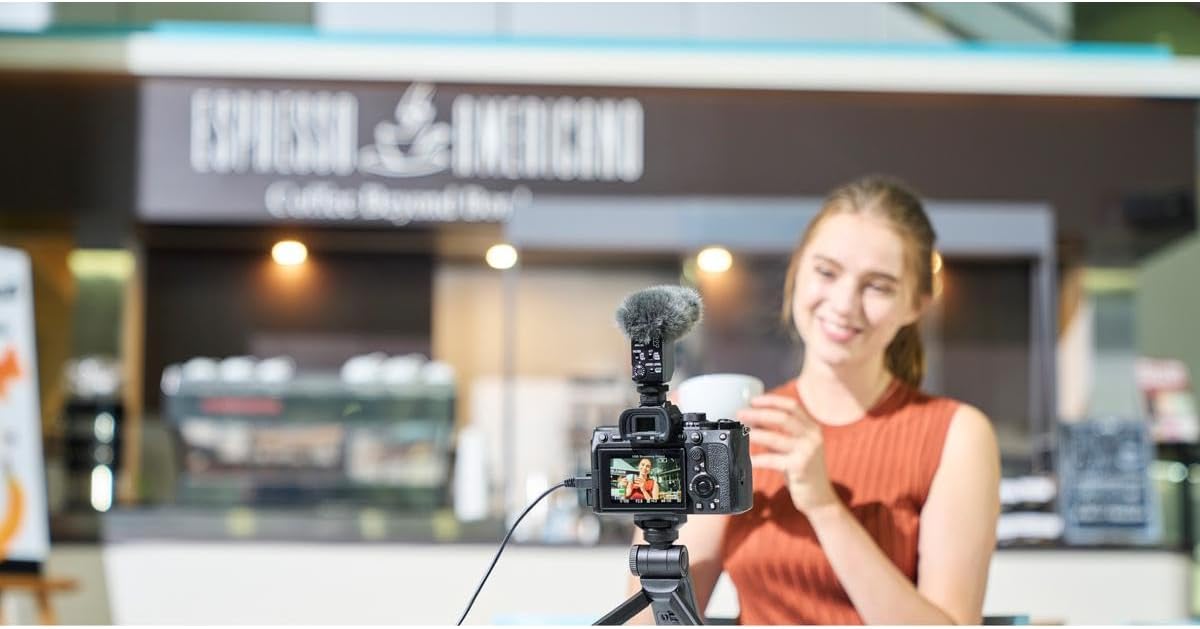
If you’ve already got a Sony full-frame mirrorless camera — a camera body where the image sensor is the same size as a traditional 35mm film frame — and a collection of Sony lenses to go with it, you’re sitting on a real asset. The question that keeps coming up at every gear-rental counter and forum thread right now is straightforward: does the new Sony a7 V justify spending another two to three thousand dollars when the glass you already own works perfectly well on the body you already have? This article is written for that specific decision. We’ll break down what actually changed between the a7 IV and a7 V in plain language, run the upgrade math for three common shooter profiles, and close with a clear decision framework you can apply to your own situation.
What Actually Changed Between the a7 IV and a7 V
Let’s be precise, because marketing language tends to blur the real differences.
Sensor resolution. The a7 IV ships with a 33-megapixel (MP) BSI-CMOS sensor — a sensor design that places signal-processing circuitry behind the light-capturing layer for improved sensitivity in low light. The a7 V steps up to 44 MP. That’s a 33% resolution increase. In practical terms, Photography Life’s full-frame sensor resolution comparison (published on photographylife.com) notes that the jump above 40 MP meaningfully expands large-print headroom and aggressive crop latitude. You can crop out a distracted guest in the background and still have enough resolution left for a full-bleed magazine spread. If you’re routinely delivering files under 24 MP final output, that jump means almost nothing. If you license stock, shoot architecture, or print large, it’s material.
Autofocus system. This is the bigger story for working photographers. The a7 V carries Sony’s latest AI-based subject recognition — the same generation of phase-detect autofocus (a system that uses multiple sensor points to predict subject movement) introduced in the flagship a9 III. The Phoblographer’s real-world autofocus impressions piece on thephoblographer.com describes the a7 V’s eye-tracking and animal subject recognition as a “generational step” over the a7 IV’s already-capable system. For portrait and wedding shooters, the practical difference is fewer missed focus pulls during ceremony exits and reception dances. For sports and wildlife photographers, the a7 V meaningfully narrows the gap between it and cameras costing significantly more.
Video specifications. The a7 V records 4K video at up to 60 frames per second with no line-skipping — meaning the camera reads the full sensor width rather than using only part of it, which preserves corner-to-corner sharpness. The a7 IV’s 4K/60p mode uses a crop, reducing your effective field of view. For hybrid shooters — photographers who deliver both stills and video to clients — this closes a real workflow gap.
Viewfinder. The a7 V upgrades to a 9.44-million-dot OLED electronic viewfinder (the eyepiece display you compose through). The a7 IV’s viewfinder is already well-regarded at 3.69 million dots. As noted in DPReview’s Sony a7 V specification overview on dpreview.com, the improvement is most perceptible in bright outdoor conditions where highlight and shadow detail rendering matters most.
What didn’t change. Ergonomics are nearly identical. Both bodies use the same NP-FZ100 battery. Both are fully compatible with Sony’s entire E-mount lens ecosystem — Lensrentals’ FE mount compatibility data on lensrentals.com shows no autofocus regression on any tested lens across the transition. Body weather sealing is rated equivalently. This matters for your upgrade calculus: if you’re switching from an a7 IV, nothing about your bag changes except the body itself.
The Upgrade Math: Three Shooter Profiles
New retail pricing as of May 2026: the Sony a7 IV sits around $2,500 USD. The a7 V launched at approximately $3,500 USD and has held near that figure. MPB’s used market listings in May 2026 show well-conditioned a7 IV bodies trading in the $1,600–$1,800 range depending on shutter count, with a7 V used bodies coming in around $2,800–$3,000.
| Scenario | Cost |
|---|---|
| a7 V new retail | ~$3,500 |
| a7 IV trade-in credit (MPB, good condition) | ~$1,700 |
| Net out-of-pocket to upgrade | ~$1,800 |
| a7 IV new retail (if buying fresh) | ~$2,500 |
| Delta: a7 V over a7 IV (new-to-new) | ~$1,000 |
That net $1,800 figure is your real decision number if you’re currently shooting an a7 IV. The $1,000 figure applies only if you’re buying into the system fresh and choosing between both bodies new.
Portrait and Wedding Shooters
PetaPixel’s Sony a7 IV long-term field notes on petapixel.com found that autofocus reliability in dynamic, unpredictable environments — precisely what weddings are — was the top complaint cited by owners at the 12-month mark. If you’re booking substantial wedding packages and the AF improvement genuinely saves focus on ceremony moments, the $1,800 upgrade cost could be recovered in a single event where you’d otherwise face a partial refund or lose a re-booking. The 44 MP sensor also gives you more latitude to crop delivery images for album variety — a real workflow benefit your clients actually see in the final product.
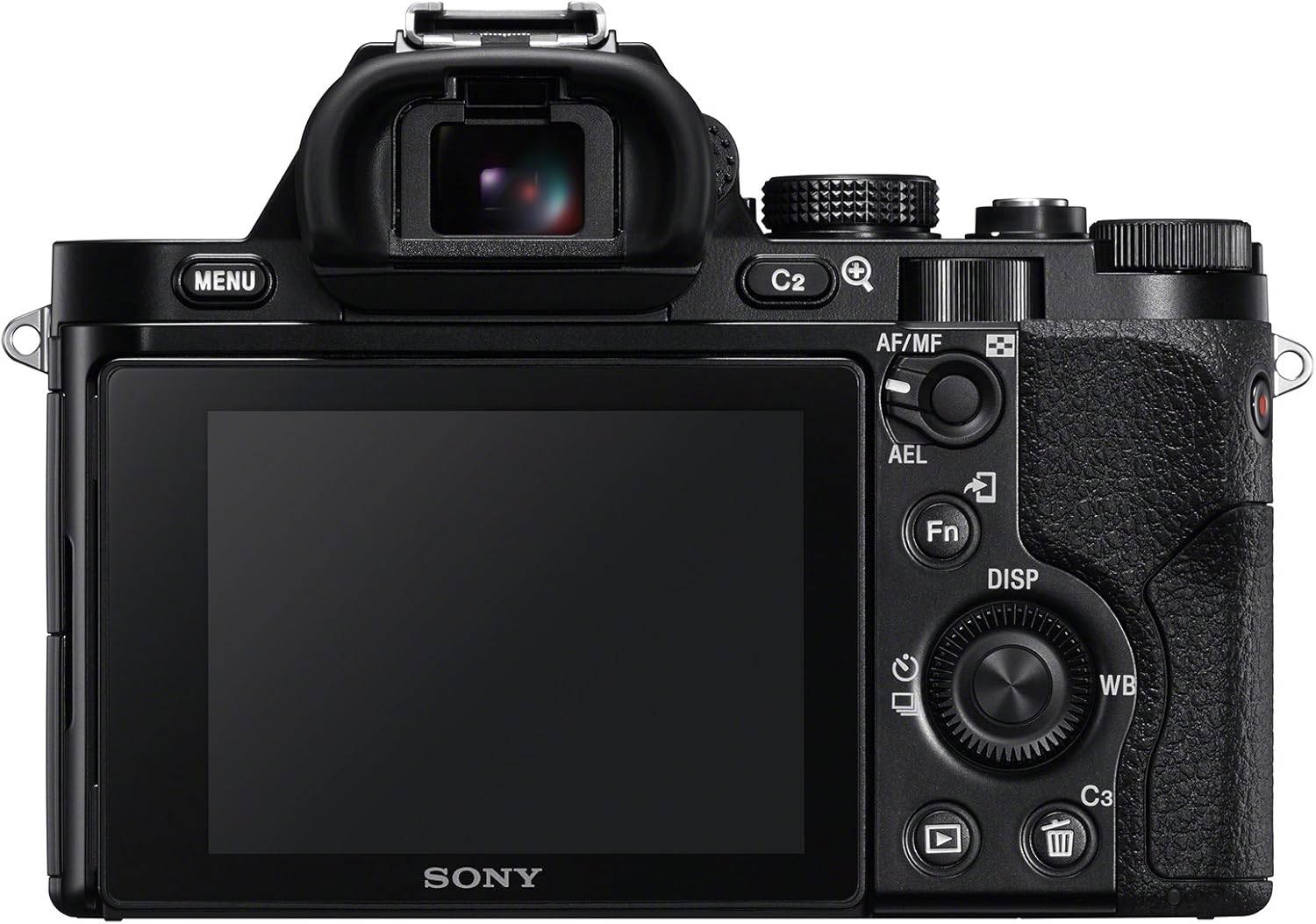
Sony
$808.77
In stock on Amazon
Check price on AmazonLandscape and Architecture Photographers
The resolution bump to 44 MP is the primary story here. Photography Life’s full-frame sensor resolution comparison on photographylife.com confirms that perceptible differences in large-print sharpness emerge above 40 MP mainly when viewing distances are under arm’s length — relevant for gallery work and signage, less so for standard album or web delivery. If your largest print delivery is 24×36 inches or smaller at standard viewing distances, the a7 IV at 33 MP already exceeds your resolution ceiling for most deliverables. Unless your video workflow is also shifting toward walkthrough videography or aerial packages, the a7 IV at its current used price is the stronger value for this profile. Put the $1,800 delta toward a sharper prime lens or a solid tripod system.
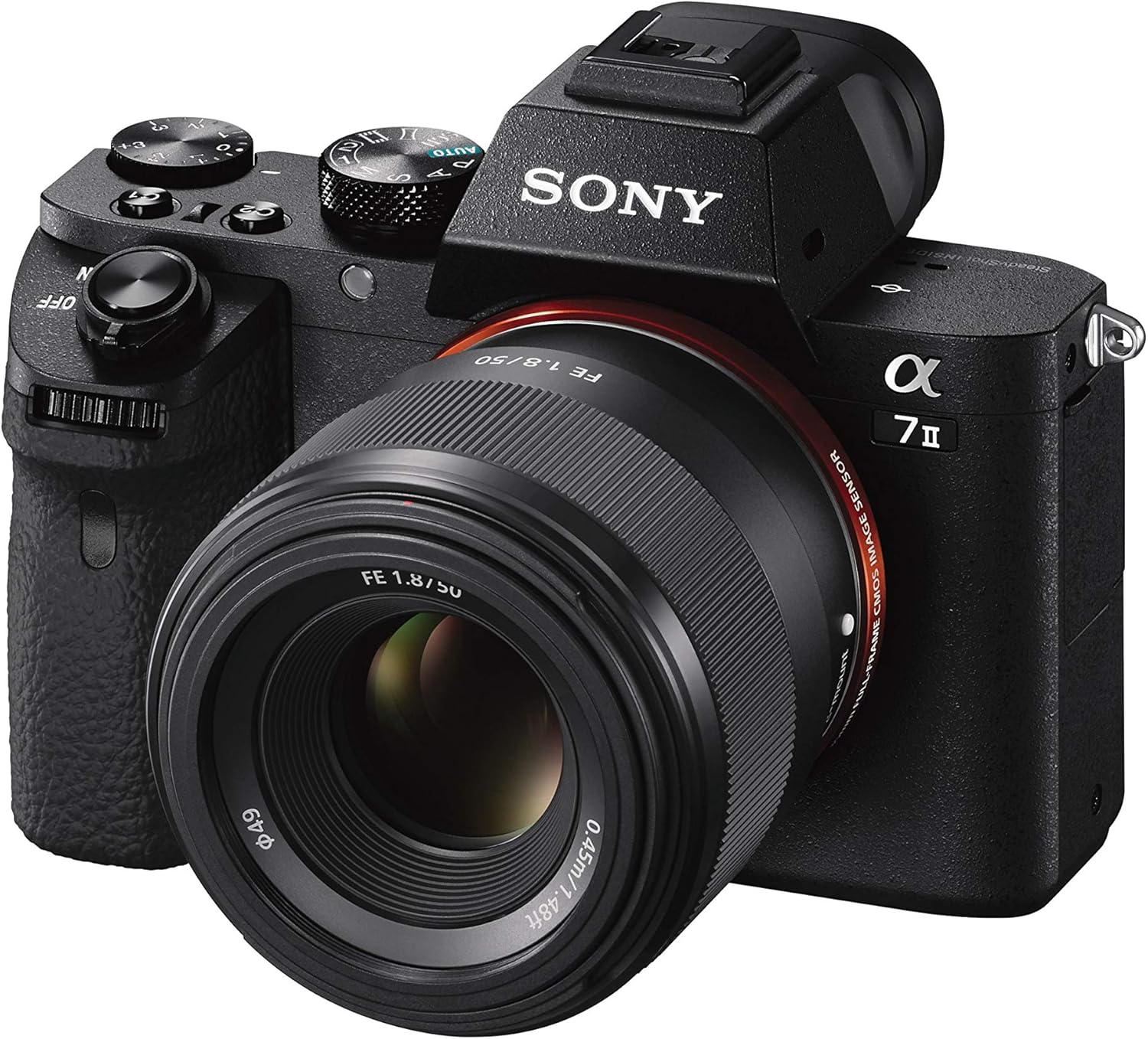
Sony SEL50F18F/2
$248.00
In stock on Amazon
Check price on AmazonSports, Wildlife, and Photojournalists
This is the clearest upgrade case. The a7 V’s autofocus generation, operating at the tracking speed previously found only in Sony’s pro-tier a9 series bodies, represents a genuine capability upgrade. The Phoblographer’s autofocus impressions piece on thephoblographer.com explicitly notes the improvement is most perceptible in challenging light below EV 2 — roughly the equivalent of a candlelit reception hall or a shaded sideline in overcast conditions. If you’re shooting youth sports or wildlife on assignment, the improved tracking on unpredictably moving subjects reduces the culling burden meaningfully. That’s a real time cost with real dollar value attached. Add the full-sensor uncropped 4K/60p for highlight reels and you have a legitimate business case, particularly if your client deliverables include both photo and video packages.
Sony
$1,998.00
In stock on Amazon
Check price on AmazonThe Used-vs-New Wrinkle and When to Rent Instead
Before committing to either body new, it’s worth running the used market scenario. An MPB-certified used a7 IV in “good” condition — typically 5,000–15,000 shutter actuations on a rated 300,000-cycle shutter — is around $1,650 as of May 2026. For a shooter who hasn’t yet committed to the Sony full-frame system, that entry point is notably lower-risk than the $2,500 new price, and the a7 IV’s feature set remains competitive by any objective standard in 2026.
For the working photographer already on the a7 IV and uncertain about the upgrade: Lensrentals offers both bodies as standalone rentals, as listed on lensrentals.com. A weekend rental of the a7 V running $60–$90 gives you firsthand data on whether the autofocus improvement registers in your specific shooting context before you commit $1,800 net to the upgrade. If you don’t routinely shoot in low-EV environments, the rental will confirm the a7 IV is sufficient and save you the upgrade cost entirely.
It’s also worth noting what the used market tells you about retention. Lensrentals’ lens demand data shows FE-mount prime lenses retaining value at a higher rate than bodies across the Sony ecosystem. The glass is the long-term asset. A used a7 IV body plus a Sony FE 85mm f/1.8 or a Sigma 35mm f/1.4 Art is a dramatically stronger starting kit than an a7 V body with the kit zoom — a point that applies whether you’re a first-time Sony buyer or an existing shooter deciding where to put discretionary gear budget.
Decision Framework: If X, Then Y
Here’s the plain-language version of everything above:
If you’re shooting weddings or events in mixed and low light, and autofocus misses are a client-service risk: upgrade to the a7 V. The net cost after trade-in is approximately $1,800, and the autofocus improvement is the single most material change in this body generation. This is the upgrade that earns its price for this profile.
If you’re a landscape, studio portrait, or architecture shooter whose largest deliverable is a print under 40 inches: stay on the a7 IV or buy one used. The 33 MP sensor already exceeds your resolution ceiling for most deliverables. Put the $1,800 delta toward sharper glass or a solid tripod system — assets that improve actual output quality more than a pixel count increase will.
If you’re a hybrid shooter adding serious video deliverables to your client packages in 2026: the a7 V’s full-sensor uncropped 4K/60p is a genuine workflow upgrade over the a7 IV’s cropped mode. If video billings are growing as a share of your revenue, the upgrade pays itself differently than it does for a stills-only shooter.
If you’re entering the Sony full-frame system for the first time with a $2,500–$3,500 budget: buy a used a7 IV and put the remaining budget into glass. The lens ecosystem is the long-term asset. Lensrentals’ lens demand data on lensrentals.com consistently shows FE-mount prime lenses retaining value at a higher rate than bodies — the glass is the investment, not the body generation.
The a7 V is a genuinely excellent camera. But “excellent” and “worth upgrading to” are different questions, and the answer depends entirely on which line of your job description is currently holding you back. For most a7 IV owners in May 2026, the honest answer is that the glass they already own matters more than the body they haven’t bought yet.